Complete Dog Breed Guide: Choosing the Right Dog for Your Lifestyle
Choosing a dog is an exciting decision, but the right breed is about much more than appearance. Every dog has its own personality, exercise needs, grooming requirements, training style and care needs. A Complete Dog Breed Guide can help prospective owners understand these differences before bringing a new companion home.
Whether you are looking for a family dog, an active running companion, an apartment-friendly breed, a large dog or a low-maintenance companion, understanding breed characteristics can make the decision easier.
This guide explores popular dog breed groups, size categories, activity levels, grooming requirements, family suitability and essential products. It is designed to help South African dog owners make informed decisions while remembering that individual dogs can vary significantly within the same breed.
For premium dog supplies, accessories, food, beds, toys and everyday pet essentials, visit the Pet Luxury South Africa pet shop. Pet Luxury currently promotes more than 3,300 shops and collection points, overnight delivery options, free shipping on orders over R650, Daily Flash Deals and VIP rewards.
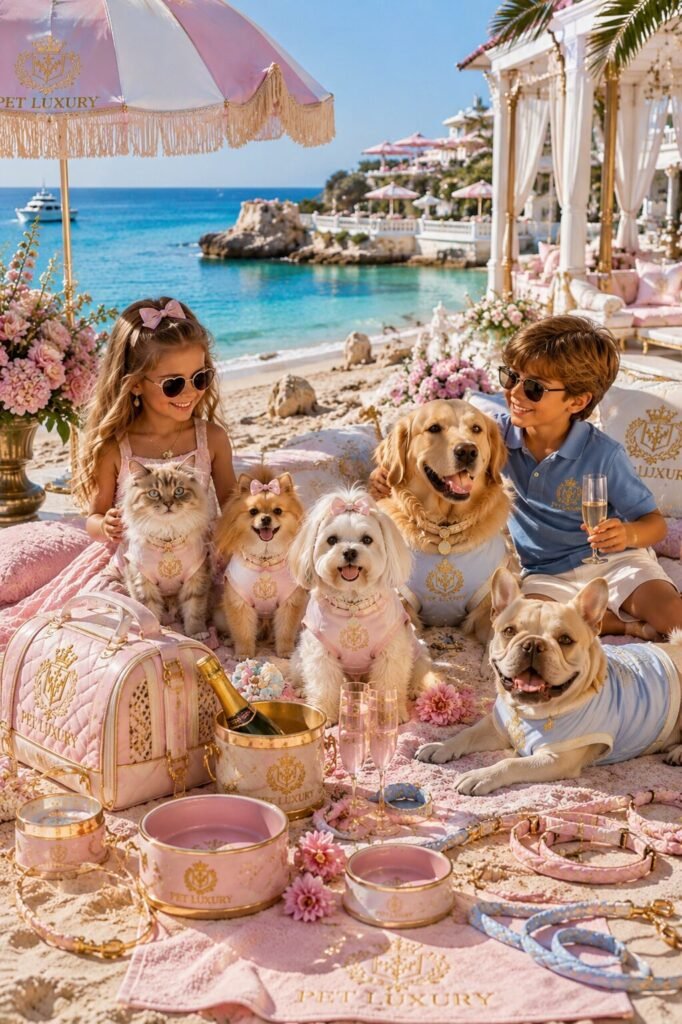


What Is the Best Dog Breed?
There is no single best dog breed for everyone.
The best breed for you depends on your lifestyle, home, available time, experience with dogs and expectations.
Before choosing a breed, consider:
- How much exercise can you provide?
- How much time will your dog spend alone?
- Do you have children?
- Do you live in a house or apartment?
- How much grooming can you manage?
- Can you afford food, healthcare and supplies?
- Are you looking for a relaxed or active companion?
- Do you have experience training dogs?
- Can you accommodate a large dog?
- Are you prepared for a puppy’s needs?
A beautiful dog that does not fit your lifestyle may become difficult to manage.
A breed that matches your daily routine is much more likely to become a happy and well-adjusted companion.
Dog Breed Characteristics to Consider
Breed selection should involve several characteristics rather than one feature.
The most important factors include:
Size: Small, medium, large and giant breeds have different space, feeding and equipment requirements.
Energy level: Some dogs are content with moderate walks, while others need extensive physical and mental stimulation.
Trainability: Some breeds are highly responsive to training, while others can be independent.
Grooming: Coat length and texture can dramatically affect grooming requirements.
Temperament: Breed tendencies can provide useful information, although individual personality varies.
Social needs: Some dogs thrive on companionship and may struggle with long periods alone.
Prey drive: Certain breeds may have stronger instincts to chase smaller animals.
Working instincts: Herding, guarding, retrieving and hunting breeds may need activities that provide mental stimulation.
Dog Breed Size Comparison Guide
Size is one of the easiest ways to begin narrowing your choices.
| Dog size | Approximate weight | Typical considerations |
|---|---|---|
| Toy | Under 5 kg | Small spaces, careful handling |
| Small | 5–10 kg | Often adaptable to apartments |
| Medium | 10–25 kg | Versatile for many lifestyles |
| Large | 25–40 kg | More space and exercise equipment |
| Giant | Over 40 kg | Significant food, space and care needs |
These categories are broad rather than strict breed standards.
Some breeds can fall between categories depending on sex, genetics and individual development.
Small Dog Breeds
Small dog breeds can be excellent companions for people who prefer a smaller physical package.
Popular small breeds include:
- Chihuahua
- Yorkshire Terrier
- Shih Tzu
- Maltese
- Dachshund
- Pomeranian
- Miniature Schnauzer
- French Bulldog
- Cavalier King Charles Spaniel
However, small does not automatically mean low maintenance.
A small dog can still require significant exercise, training, grooming and mental stimulation.
Some small breeds are energetic and vocal, while others are more relaxed.
Large Dog Breeds
Large dog breeds can be impressive, affectionate and loyal companions.
Popular examples include:
- Labrador Retriever
- Golden Retriever
- German Shepherd
- Rottweiler
- Doberman
- Boxer
- Great Dane
- Bernese Mountain Dog
Large dogs need appropriate equipment.
Beds, crates, harnesses, collars, food bowls and toys should be selected for the dog’s size.
Pet Luxury’s published range includes large-dog products such as beds, feeders, collars, leads, harnesses, toys and other accessories.
Active Dog Breeds
Active dog breeds are often best suited to owners who enjoy exercise and outdoor activities.
Examples include:
- Border Collie
- Australian Shepherd
- Siberian Husky
- Belgian Malinois
- German Shepherd
- Labrador Retriever
- Australian Cattle Dog
- Weimaraner
An active dog may need more than a short walk.
Mental stimulation can be equally important.
Activities can include:
- Obedience training
- Scent games
- Fetch
- Agility
- Puzzle toys
- Hiking
- Swimming
- Structured play
If you prefer a quieter lifestyle, an extremely high-energy breed may not be the best match.
Guard Dog Breeds
Some breeds have strong natural guarding instincts.
Examples include:
- German Shepherd
- Rottweiler
- Doberman
- Cane Corso
- Bullmastiff
However, choosing a guard dog should never be based solely on aggression.
A well-socialised dog should be able to distinguish ordinary situations from genuine concerns.
Responsible ownership includes:
- Obedience training
- Socialisation
- Secure fencing
- Appropriate supervision
- Positive reinforcement
- Understanding breed tendencies
A dog should not be deliberately trained to become aggressive.
Best Dogs for Children
When choosing a dog for a family, consider temperament, size, energy and trainability.
A large energetic dog may unintentionally knock over a small child.
A tiny dog may be vulnerable to rough handling.
The ideal family dog is not necessarily the most popular breed. It is the dog whose needs and temperament fit the household.
Pet owners should also teach children:
- Do not pull ears or tails.
- Do not disturb a sleeping dog.
- Do not take food away.
- Do not climb on dogs.
- Give dogs space.
- Learn canine body language.
- Ask before approaching unfamiliar dogs.
Apartment Dog Breeds
Apartment living does not automatically rule out dog ownership.
Some dogs adapt well to smaller homes, but size alone does not determine suitability.
A large, calm dog may cope better with apartment life than a tiny, extremely energetic dog.
Consider:
- Barking
- Exercise needs
- Energy levels
- Access to outdoor areas
- Neighbour relationships
- Toilet routines
- Separation tolerance
Potentially adaptable breeds can include:
- French Bulldog
- Cavalier King Charles Spaniel
- Pug
- Shih Tzu
- Greyhound
- Maltese
Individual dogs still vary considerably.
Family-Friendly Dog Breeds
Families often look for dogs that can integrate comfortably into a busy household.
Popular family-oriented breeds include:
- Labrador Retriever
- Golden Retriever
- Cavalier King Charles Spaniel
- Beagle
- Poodle
- Cocker Spaniel
- Collie
However, no breed is automatically safe with every child.
Children should always be taught how to interact respectfully with dogs.
Never leave young children unsupervised with a dog.
A child’s size and behaviour can also affect which breed is appropriate.
Working Dog Breeds
Working breeds were developed for tasks such as guarding, herding, pulling, retrieving or assisting people.
Common examples include German Shepherds, Rottweilers, Dobermans, Border Collies and Siberian Huskies.
Working dogs can be intelligent and highly trainable, but their instincts need appropriate outlets.
A working breed without enough exercise or mental stimulation may become frustrated.
Training should focus on consistency, structure and positive reinforcement.
Dog Breed Health Considerations
Every breed has its own health considerations.
Before choosing a dog, research potential breed-specific conditions and discuss them with a veterinarian.
Responsible ownership includes budgeting for:
- Routine veterinary visits
- Vaccinations
- Parasite prevention
- Dental care
- Emergency treatment
- Medication
- Nutrition
Pet Luxury’s published information includes dog health and wellness products and preventative-care categories.
Frequently Asked Questions About Dog Breeds
What is the best dog breed for a first-time owner?
There is no universal answer. Look for a breed whose exercise, grooming and training needs fit your lifestyle and experience.
What is the best dog breed for children?
Family-friendly breeds can include Labradors, Golden Retrievers and Cavaliers, but individual temperament and supervision are more important than breed labels alone.
What is the best dog breed for an apartment?
Some smaller or calmer breeds can adapt well, but energy level and barking are often more important than size.
What is the easiest dog breed to train?
Many working and companion breeds are highly responsive to training, but individual personality and training methods also matter.
What is the best active dog breed?
Breeds such as Border Collies, Australian Shepherds and Labradors can suit active owners, provided their physical and mental needs are met.
Are large dogs suitable for families?
Some large breeds can be excellent family companions. The dog’s temperament, training and the children’s ages should all be considered.
Are small dogs easier to care for?
Not necessarily. Small dogs still need training, exercise, healthcare, grooming and companionship.
What dog breed needs the least grooming?
Short-coated breeds generally require less coat maintenance than long or curly-coated breeds.
What is the best dog breed for South Africa?
There is no single best breed for South Africa. Climate, lifestyle, home environment and individual needs should guide your choice.
Should I get a puppy or an adult dog?
Both can be excellent choices. Puppies require intensive training and socialisation, while adult dogs can offer a more established personality.
Are mixed-breed dogs good pets?
Absolutely. Mixed-breed dogs can make wonderful companions when their individual needs and temperament are suitable for the household.
How much exercise does a dog need?
Exercise requirements vary by breed, age, health and individual energy level.
How do I choose a dog bed?
Choose a bed that is large enough for your dog to stretch out comfortably and appropriate for its age, size and sleeping style.
Does every dog need a harness?
Not necessarily. A collar or harness may be appropriate depending on the dog and walking situation.
What should I buy before bringing home a puppy?
Prepare food, bowls, bedding, a collar, identification, suitable toys, training supplies, grooming products and other puppy essentials.
How do I find a responsible breeder?
Research carefully, ask about health testing and meet the puppies and parents where possible. Avoid breeders unwilling to answer questions about health and welfare.
Should I adopt a rescue dog?
Rescue dogs can make wonderful companions. Speak with the rescue organisation about the dog’s temperament, history and needs.
Can breed predict personality?
Breed can provide useful tendencies, but it cannot predict the exact personality of an individual dog.
What is the most important factor when choosing a dog?
Compatibility. The dog’s needs should fit your lifestyle, experience, home and ability to provide long-term care.
Why Shop at Pet Luxury?
Pet Luxury describes itself as a premium South African destination for pet products, with dog food, treats, beds, toys, grooming products, health and wellness items, collars, harnesses, clothing and travel accessories.
Premium Pet Supplies
Breed-specific ownership often means buying different products according to your dog’s size and lifestyle. Pet Luxury provides a broad selection across dog food, toys, grooming, bedding, accessories and training.
3,300 Shops and Collection Points
Pet Luxury currently advertises more than 3,300 shops and collection points across South Africa. This gives customers additional options for receiving their pet supplies.
Overnight Delivery
The website promotes overnight delivery options and same-day collection in supported locations. Delivery times can vary depending on location, stock and the selected delivery method.
Free Shipping Over R650
Pet Luxury currently promotes free shipping on orders over R650. Check the latest delivery terms at checkout because shipping conditions can change.
Daily Flash Deals
Pet Luxury promotes Daily Flash Deals with savings of up to 65% on selected products. Deals and availability can change, so customers should check the current offers before ordering.
VIP Points and Loyalty Rewards
The Pet Luxury VIP Rewards programme promotes points and rewards for customers.
This can be particularly useful for households that regularly purchase dog food, treats, grooming supplies and accessories.
Shop Now, Pay Later
Pet Luxury also promotes Shop Now, Pay Later options. Available payment methods and eligibility should be confirmed during checkout.
Pet Luxury Community
Pet Luxury also promotes PetLuxury.app and PetLuxury.TV, with resources relating to pet health, training, entertainment and pet ownership.
Premium Quality Pet Shop Supplies & Products
- Pet Luxury – Premium Pet Shop South Africa
- About Pet Luxury South Africa
- Pet Luxury Education Hub
- Pet Luxury Shops Near Me
- View All Pet Luxury Collections
- VIP Pet Luxury Points
- Cape Town Pet Shop
- Pet Shop Pretoria
- Dog Luxury Products
- All Puppy Products
- Dog Clothing
- Dog Beds
- Pet Bags and Carriers
- Luxury Pet Products
- Popular Pet Products
- Daily Flash Deals
- Balito Pet Shop Guide
- Heart-Shaped Pet Bowl
- Dog Health and Wellness Resources
- Dog Grooming and Hygiene Resources
- Dog Training and Behaviour Resources
- Dog Travel Products
- Dog Accessories
- Pet Luxury All Collections
- Pet Luxury Popular Products
- Pet Luxury Cape Town
- Pet Luxury Pretoria
- Pet Luxury Dog Beds
- Pet Luxury Puppy Range
- Pet Luxury VIP Rewards
Final Dog Breed Checklist
Before choosing your next dog, remember that breed selection should be based on compatibility rather than appearance alone.
Consider:
- Size: Will the adult dog fit comfortably into your home?
- Energy: Can you provide enough daily exercise?
- Grooming: Are you prepared for the coat-care requirements?
- Training: Can you provide consistent positive training?
- Temperament: Does the breed generally suit your household?
- Family: Is the dog suitable for the ages and lifestyles of everyone at home?
- Budget: Can you afford food, healthcare, grooming and unexpected expenses?
- Time: Can you provide companionship and mental stimulation?
- Lifestyle: Does the breed fit your daily routine?
- Commitment: Are you prepared to care for the dog throughout its life?
The perfect dog is not necessarily the biggest, smallest, most fashionable or most popular breed.
The right dog is the one whose needs you can meet and whose personality fits naturally into your household.
With thoughtful research, responsible ownership, appropriate training and the right supplies, bringing a dog into your life can become one of the most rewarding experiences a family can share.